
“Nobody trips over mountains. It’s small pebbles that cause you to stumble. Pass the pebbles in your path & you’ll find you’ve crossed the mountain.” ~ Author Unknown 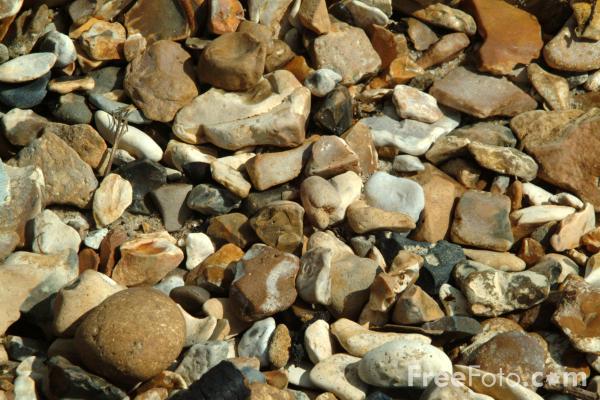

“Nobody trips over mountains. It’s small pebbles that cause you to stumble. Pass the pebbles in your path & you’ll find you’ve crossed the mountain.” ~ Author Unknown
Some people know so much about one thing they look down on those who aren’t so knowledgeable.
They are snobs. There are wine snobs, literary, fashion, food, even money snobs.
“I can change the world,” the politician boasts. “But he can’t even change a tire,” the garage mechanic sneers.
Both are snobs because they look down on those who don’t share their special interests.
If you’re sure you know more about haute cuisine than your dinner partner, remember she may know about 19th century architecture. Don’t let you knowledge turn you into a snob.
Find out what the other guy knows, before you show off what you know.
Kirk out
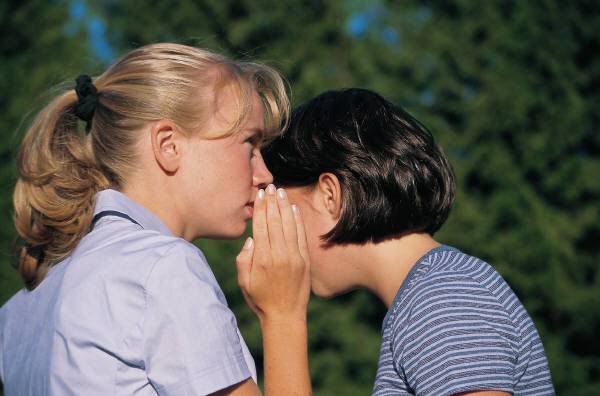
One day, one friend asked another,
‘How is it that you are always so happy?
You have so much energy,
and you never seem to get down.’
With her eyes smiling, she said,
‘I know the Secret!’
‘What secret is that?’
To which she replied,
‘I’ll tell you all about it,
but you have to promise to
share the Secret with others.’
‘The Secret is this:
I have learned there is little I can do
in my life that will make me truly happy.
I must depend on God to make
me happy and to meet my needs.
When a need arises in my life,
I have to trust God to supply
according to HIS riches.
I have learned most of the time
I don’t need half of what I think I do.
He has never let me down.
Since I learned that ‘Secret’, I am happy.’
The questioner’s first thought was,
‘That’s too simple!’
But upon reflecting over her own life
she recalled how she thought a bigger house
would make her happy, but it didn’t!
She thought a better paying job
would make her happy, but it hadn’t.
When did she realize her greatest happiness?
Sitting on the floor with her children or
grandchildren, playing games, eating pizza
or reading a story, a simple gift from God.
Now you know it too!
We can’t depend on people to make us happy.
Only GOD in His infinite wisdom can do that.
Trust HIM!
And now I pass the Secret on to you!
So once you get it, what will you do?
YOU have to tell someone the Secret, too!
That GOD in His wisdom will take care of YOU!
But it’s not really a secret…
We just have to believe it and do it…
Really trust God!
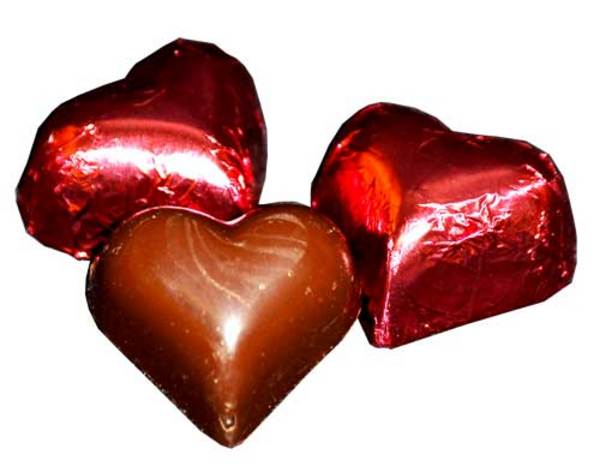
Be Sweet – Studies have shown that dark chocolate may help keep high blood pressure down, your blood flowing, and your heart healthy. Some say it even mimics the feeling of being in love. Still, moderation is advised

Move to the beat – Grab a partner and do some fancy footwork. Any activity that gets you moving – like dancing or walking – can help increase blood circulation, reduce stress, and protect your heart.
 Do your thing – Activities like painting, writing, yoga, and meditation can help slow your heart and breathing rates and lower your blood pressure, all of which are good for your body and your heart.

Living a healthy lifestyle can help your heart stay strong, so you can live – and love – for years to come.
Kaiser Permanente Thrive
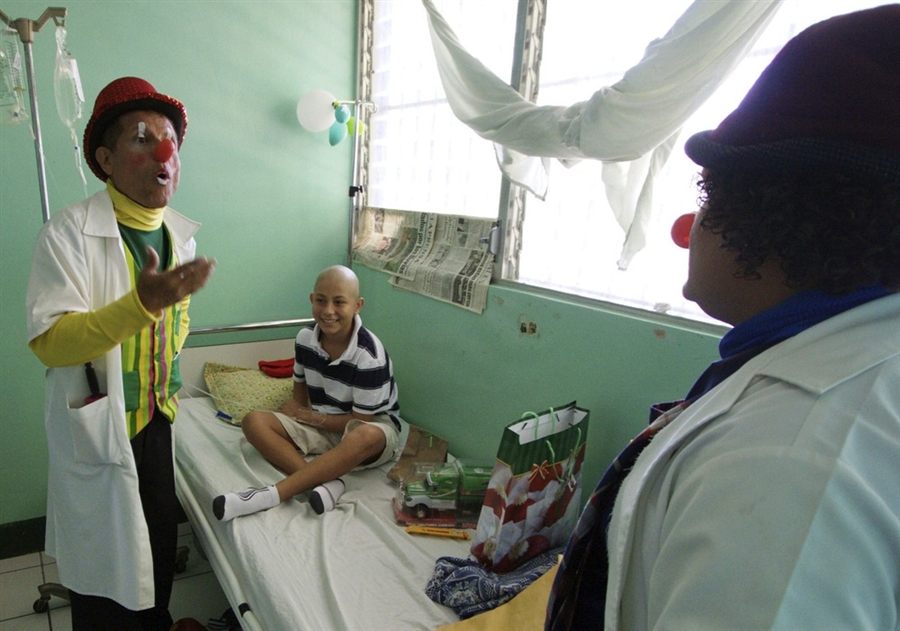
I slept and dreamt that life was joy. I awoke and saw that life was service. I acted and behold, service was joy.
-Rabindranath Tagore, Nobel laureate (1861-1941)
Bring Joy… Serve…..
Kirk out
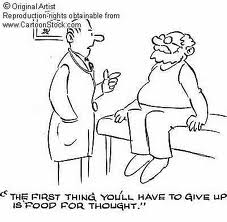
These quotes come from Barbara Plantt a dear friend of Kirk who loves and leads in the world of organizational development. She finds and sings her song everyday.
May we all do likewise and eat only the best thoughts for our food.
“It takes but one positive thought when given a chance to survive and thrive to overpower an entire army of negative thoughts.” ~Robert H. Schuller
“A man is but the product of his thoughts what he thinks, he becomes.” ~Mahatma Gandhi
“There are always flowers for those who want to see them.” ~Henri Matisse
“Those who wish to sing, always find a song.” ~Swedish Proverb
“You and I are not what we eat; we are what we think.” ~Walter Anderson
Kirk Weisler
When we are faced with a crisis or struggle we often despair.
But it’s in this struggle that the best opportunities emerge. If we’re keeping our eyes open.
A crisis is an opportunity to change grow learn reflect and become better. It’s where we discover who we are and how we can find a new way we couldn’t have imagined before the crisis presented itself. It allows us to practice patience and acceptance and find renewed hope — which is the most beautiful thing.
When I’ve lost my job it was an opportunity for reinvention and to strike out on my own.
When I’ve lost a family member to the unrelenting grip of death it was an opportunity to reflect on that loved one’s wonderful life and for our family to come together in a way never possible before.
When I failed at work I learned to improve and grow better.
When I injured myself I learned patience and new ways to be healthy.
When my children throw tantrums they are teaching me more patience and the power of raw emotions and the wonder of childhood and what happens when you lose perspective.
When my wife and I had arguments it was an opportunity to learn more about each other and grow closer and become better at finding common ground.
When I moved and missed my family on Guam terribly it was an opportunity to learn introspection and self-sufficiency and grow closer to family here in the States.
When I daily face the terror of the void staring at me face to face it is my chance to push back and assert my will and imprint my soul upon this malleable world.
And that my friends is beauty. It is the finding of renewed hope and growth when all else seems bleak and lost.
In the struggle is the possible if we dare to look.
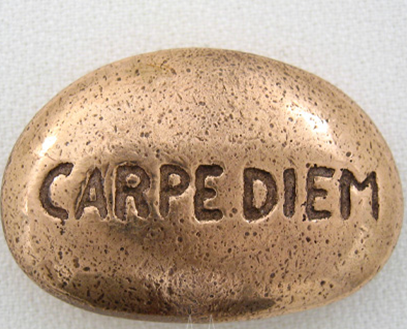
Seize the day, make your lives extraordinary.
Editor’s note: This is a guest post from Courtney Carver of Be More with Less.
When I was 16, I wanted more. When I was 24, I wanted even more than that. So, I worked harder, earned more, spent more, to have more, only to owe more. I was exhausted at the end of the day and tired when I woke up most mornings. I ate on the fly, fell behind, ran late and could never catch up. Sound familiar?
I thought everything I was doing was for a better life. I thought what I was doing was normal and right. I had become so used to bills in the mailbox, and feeling rundown, that I didn’t know anything was wrong. So, how did I go from wanting more, more, more to craving less? I would love to tell you that I woke up one morning a changed person, but that’s not the way it went down. Even though I had begun to make small changes, I needed a wake up call … and it had to be really loud.
On July, 7th 2006 I was diagnosed with relapsing remitting Multiple Sclerosis. That was my wake up call, and to say it was loud is an understatement. The diagnosis was nothing short of traumatic. I didn’t have enough information to take action. I only knew enough to be really scared. I had so many questions. Could I still ski with my family? Would I be able to help my daughter with homework? Would I even be walking in a year?
No one had the answers to those overwhelming questions, so I had to focus on what was most important: my health and my family. Nothing else mattered. If I had moved forward with these big questions and fearful thinking, my daughter and husband would have been so worried. I realized that if I started thinking differently, so would they. My questions went from, “What is this disease going to do to my body and mind?” to “How am I going to reverse MS?”
The answer to my question was change. Small shifts and big change were necessary to become the best possible version of myself. When I started making changes in my life, I didn’t know that they would lead to minimalism, but they did. In fact, while the changes I made were fighting MS, they were also redefining my whole life. The changes I made are not all essential in the life of a minimalist, but they are all essential to my minimalist lifestyle.
I became a vegetarian. Research shows that MS patients, and people dealing with other autoimmune conditions that eat fewer saturated fats and “inflammatory foods” maintain better health. (I would challenge that this goes for most everyone.) Giving up meat was one of the best ways I could really “do something” about my new diagnosis. I stopped eating meat to achieve better health.
When I started my vegetarian journey, I started reading. I read about raising animals for meat. I read about factory farming. I learned about the impact of our actions on our bodies, animals and the earth. By really opening my eyes and heart to how meat was put on my plate, I lost my appetite for it. I was motivated by health and changed with compassion.
I fell in love with yoga. Practicing Yoga gives me strength, flexibility, focus, peace of mind and freedom from fear. I want to keep my body strong, and my mind calm and focused so I can effectively fight this disease and take care of my family. While I am in search of less, I want to be more sensitive and loving, more adaptive and more resilient. Yoga gives me that, too.
I got rid of my stuff. While I always felt compelled to put something on an empty surface, I have come to love an empty space. It takes living without it to realize how clutter affects your life and takes away from your freedom and creativity. I am reminded of that every time I walk into my kitchen and instead of seeing a cluttered counter, I see sunlight streaming in from the kitchen window. I am still letting go of my stuff and feel lighter everyday.
I decided to live without debt. You may not think that your bank account can affect your health, but considering money can cause great stress, and stress can make you sick, it only makes sense that poor money management equals poor health. My husband and I made the decision to be debt free, and paid off our last debt this summer except for our house. What will we do with our money now that we don’t have any monthly payments? Whatever we want.
I hung up the phone. I do not use my phone when I’m driving anymore. I don’t text at red lights or make calls on the back roads. I can remember too many times where I would arrive at a destination and not remember how I got there because I was so involved in a phone call. Admitting that I had essentially been risking my life and the lives of other drivers wasn’t easy, but it was necessary to make the change and the commitment to be phone free in the car.
Another benefit is that now, when I pick my daughter up from school, she has my full attention. She doesn’t have to compete with business or other phone fueled distractions. I am there for her.
I redefined better. As I mentioned before, all of my bad habits came from wanting something better, something more. In the changes I’ve made, I have redefined what better means to me and my family. The health and happiness of my marriage and family comes before everything else. My husband and I have decided that “more” isn’t the answer for us.
Now at 41, forever changed, and virtually symptom free, I am becoming me. I know I haven’t figured it all out but am content. I don’t make as much as I used to. I didn’t take a big vacation this year or make any big purchases, but there is no doubt that I am happier. Less speaks to me. Less lets me love more deeply and less lets me really be me.
My wake up calls have become more subtle, but because I have the time and space to pay attention, I hear them loud and clear. When I first started to practice doing less and being more, I discovered Zen Habits. It was another wake up call, but it sounded like a whisper, “You can do this. You can change.” It is not a coincidence that Leo Babauta’s story of change changed me. I was ready to listen, ready to change.
The biggest lesson I’ve learned is that less is enough. Of course, I am still learning, still changing and still a work in progress, but now it is my turn to inspire change with my story.
Read more from Courtney at her blog, Be More with Less, or follow her on twitter.
It’s the time of year when everyone is in a crazy rush: to shop to decorate to get ingredients to go to parties to travel to get last-minute work done to go to the kids’ Christmas pageants to go caroling to get those to-dos done.
There is a single answer to just about all your problems — Christmas or otherwise:
Simplify
It’s the answer to your time-management problems: instead of trying to figure out how to manage your schedule try simplifying it. Do less. Say no to projects and meetings. Cut back on commitments. Have less on your schedule and you’ll eliminate the problem of trying to manage it all. You’ll also have less stress and love life more.
It’s the answer to your financial problems: instead of trying to manage all your bills and debts try simplifying. Spend less. Shop less. Do without for a bit. Cut back on your bills. Have fewer credit accounts. Eliminate debt and have less stress.
It’s also the answer to your storage problems: instead of trying to find more storage for all your stuff try simplifying. Reduce clutter. Having less stuff requires less storage (even a smaller home) and is less stressful. You’ll also save lots of money in storage and maintenance.
Want to lose weight? Simplify your diet. Want to change a habit? Simplify the process: do just one habit at a time.
Having trouble getting things done? Eliminate distractions and find focus.
Want to get out of the craziness of Christmas shopping? Do less of it.
Simplicity isn’t always easy. It requires the courage to be different. To say no. To make difficult decisions. To question the way we’ve always done things.
But the result is lovely: simplicity means more space. More quiet and peace. More focus and less craziness. Less stress. A happier healthier life. That’s worth the effort.
Learn and Travel
Covering Local News That Matters
Sexuality Virginity Abortion Rape Pornography God Meaning Love LGBTQi Transgender Liberalism Divorce intersectionality
North Carolina news, weather, politics, sports and more from the heart of the Triad
We study our language, and this site can help
 Mzsunflower's Say What?